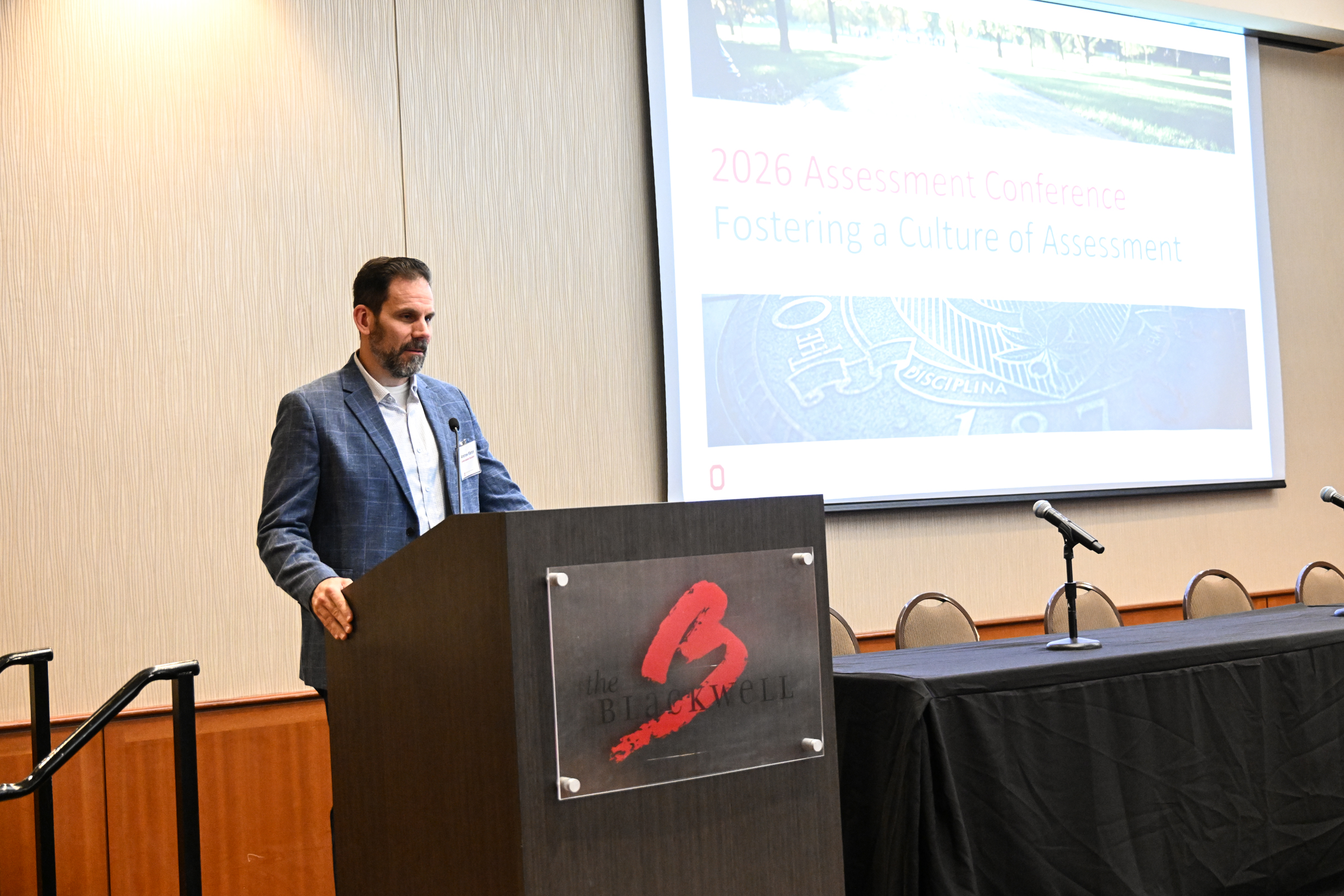
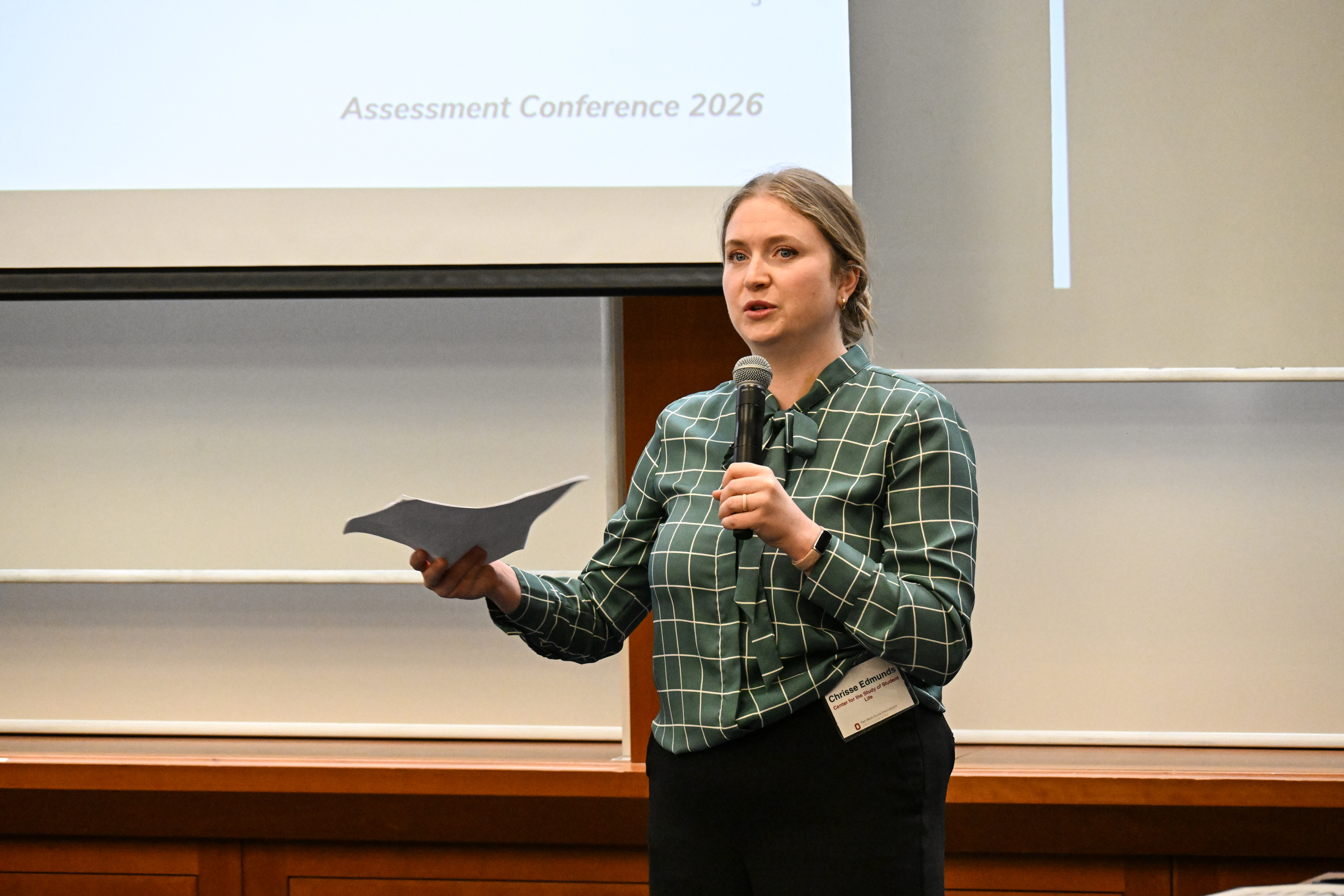
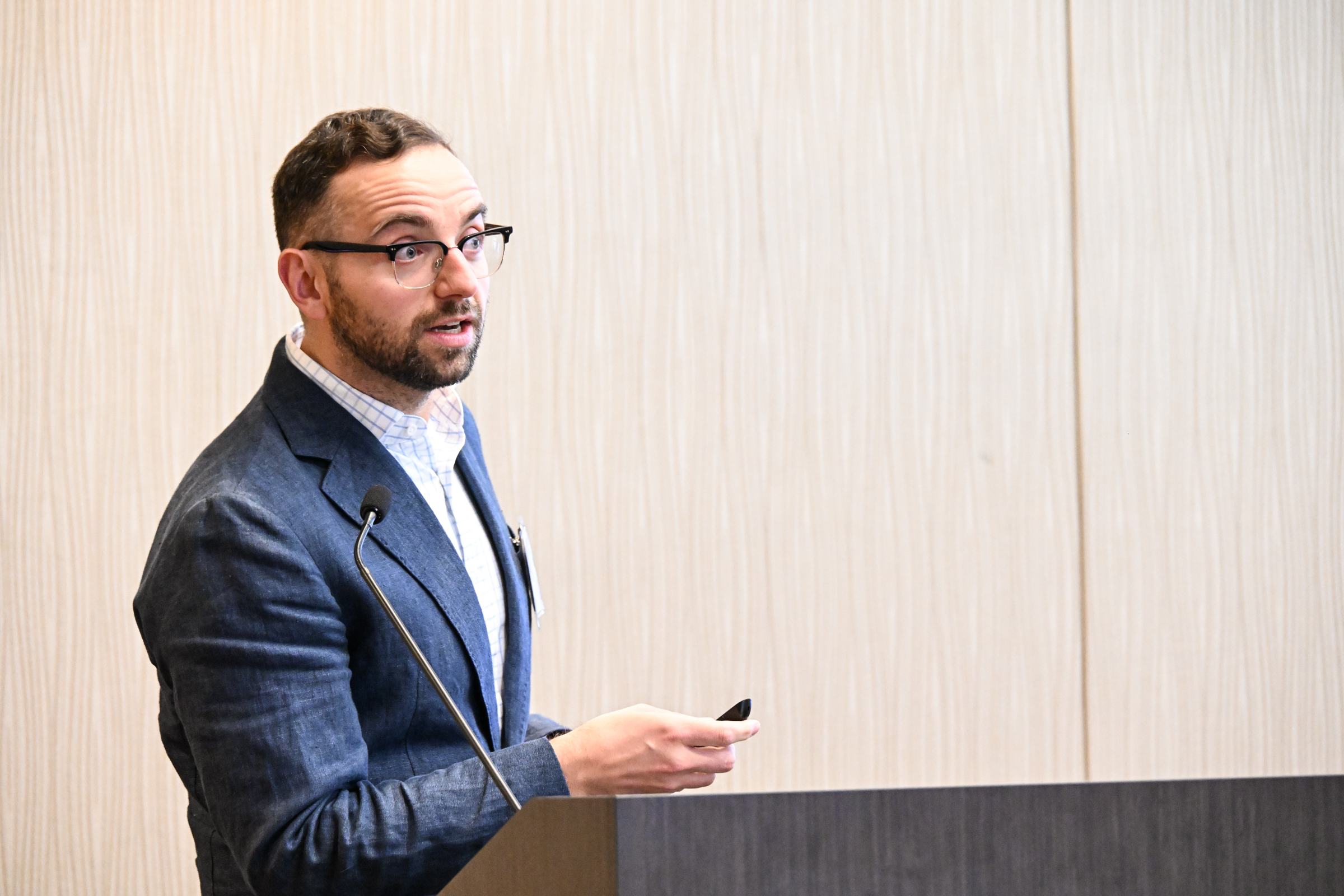
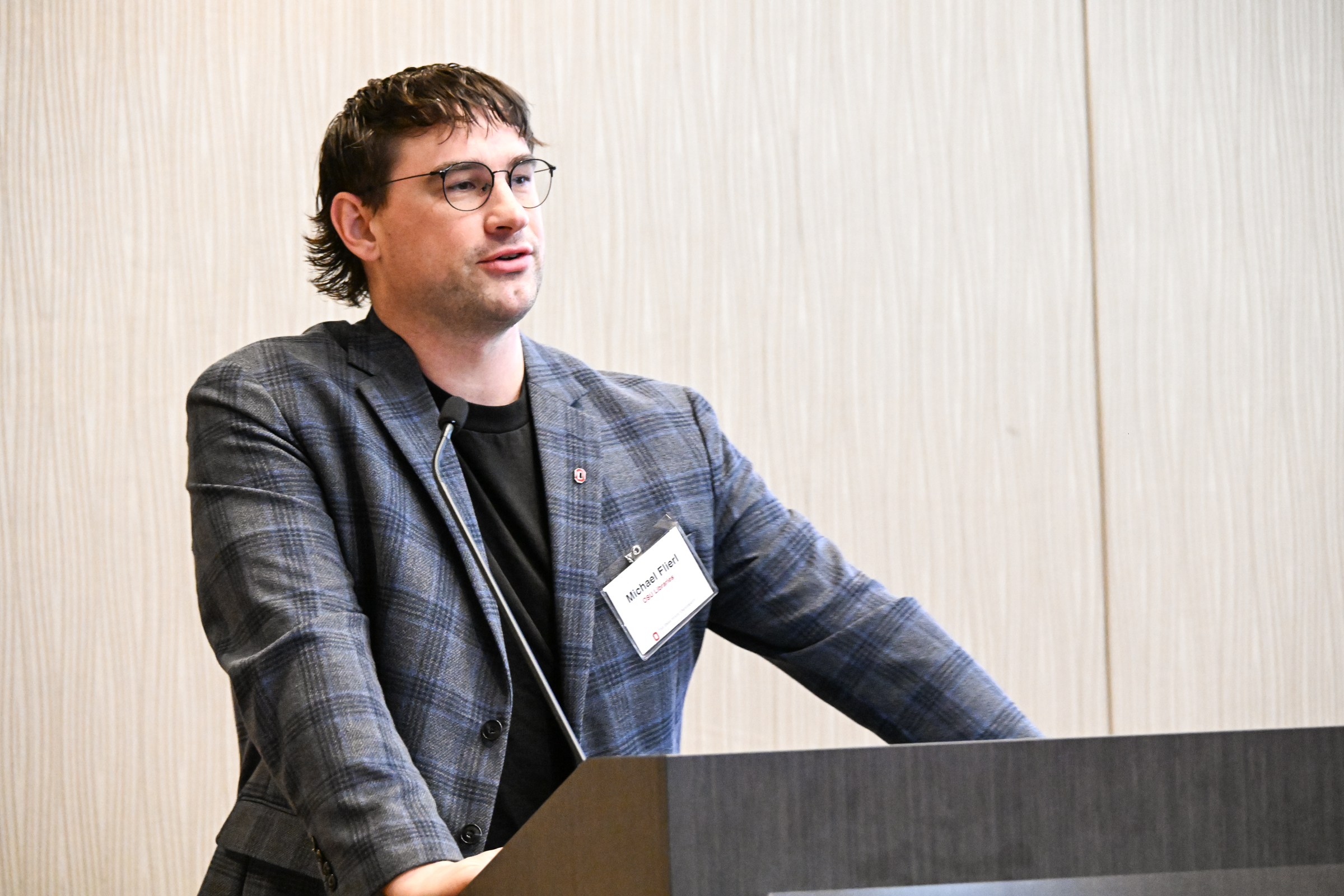
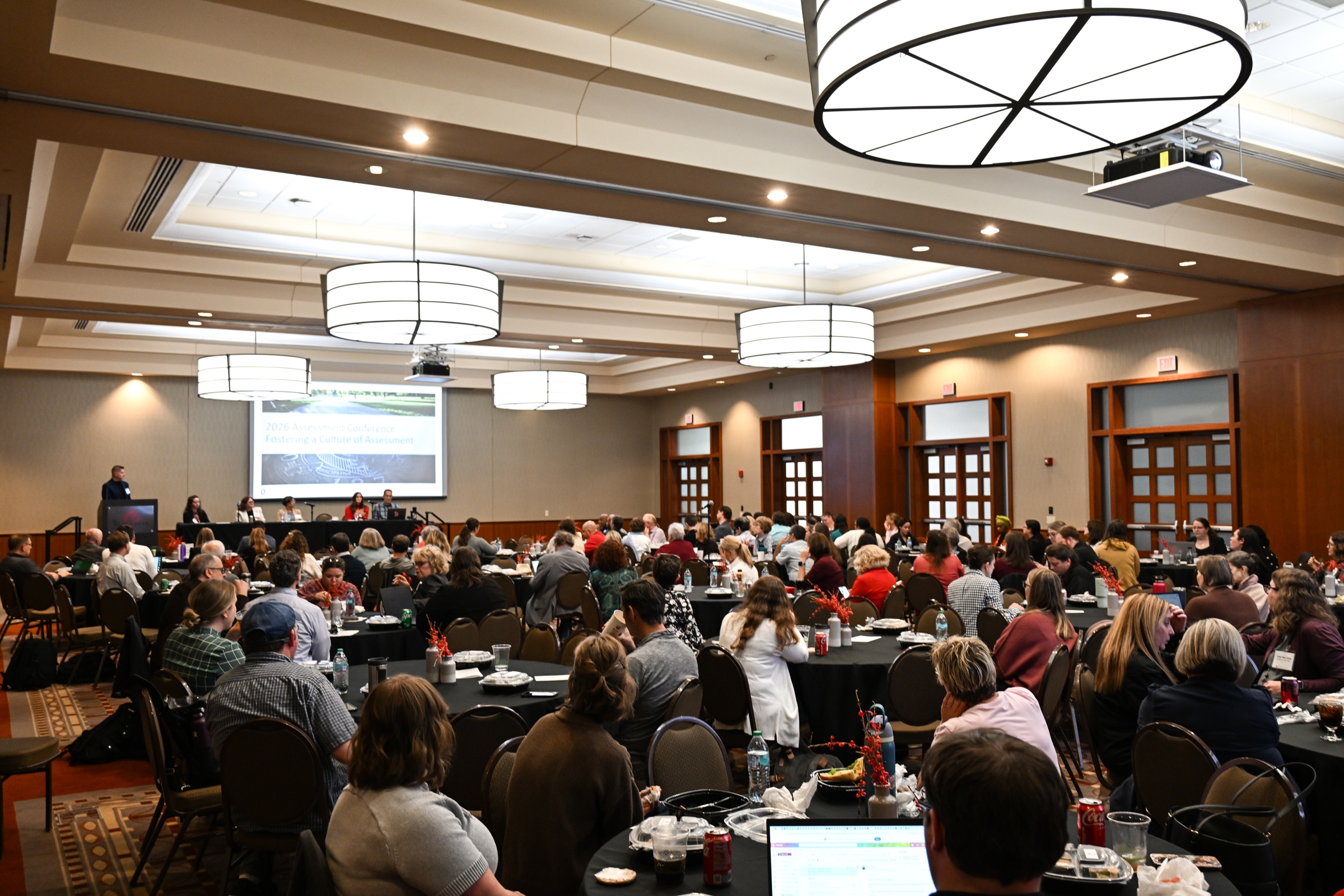
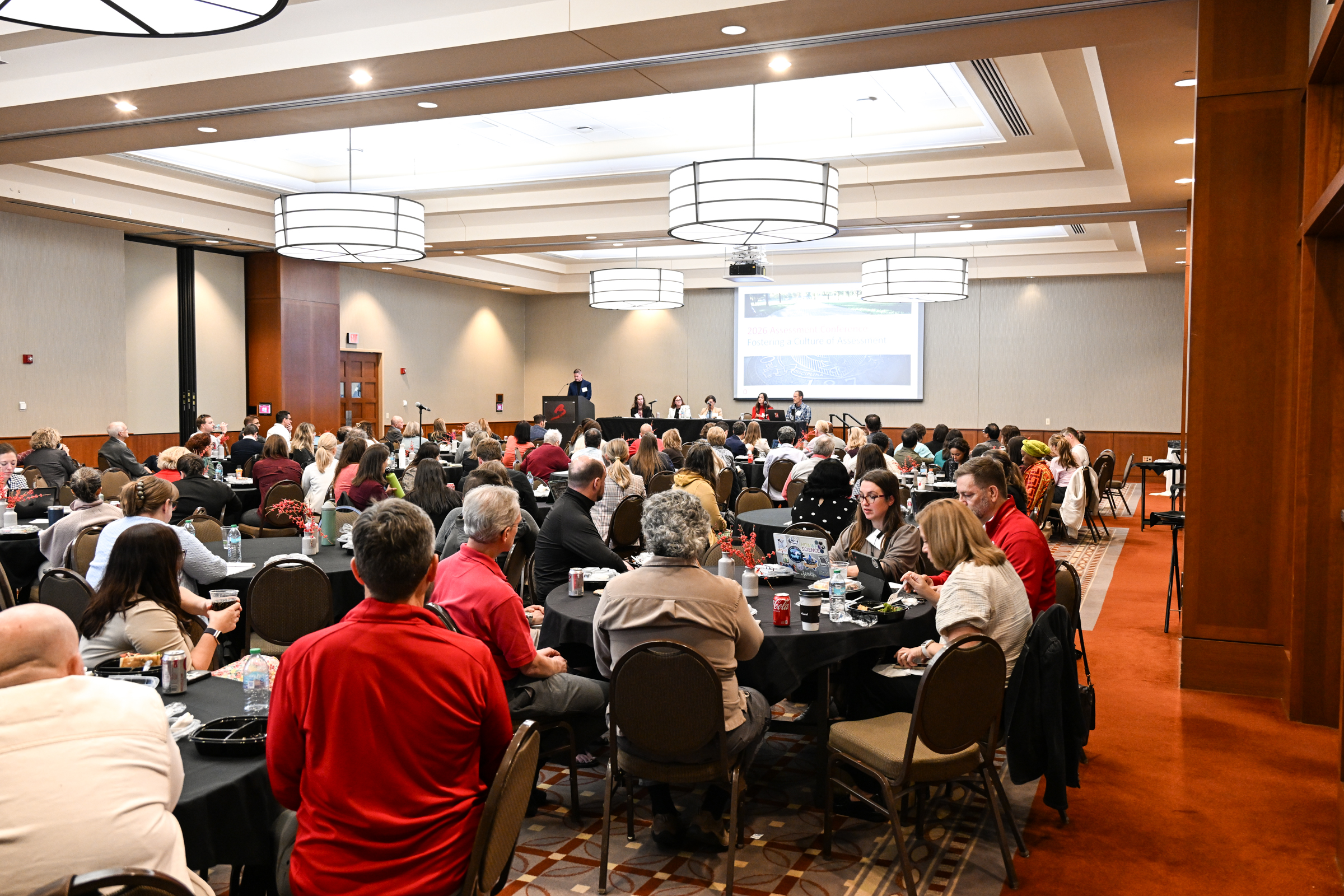
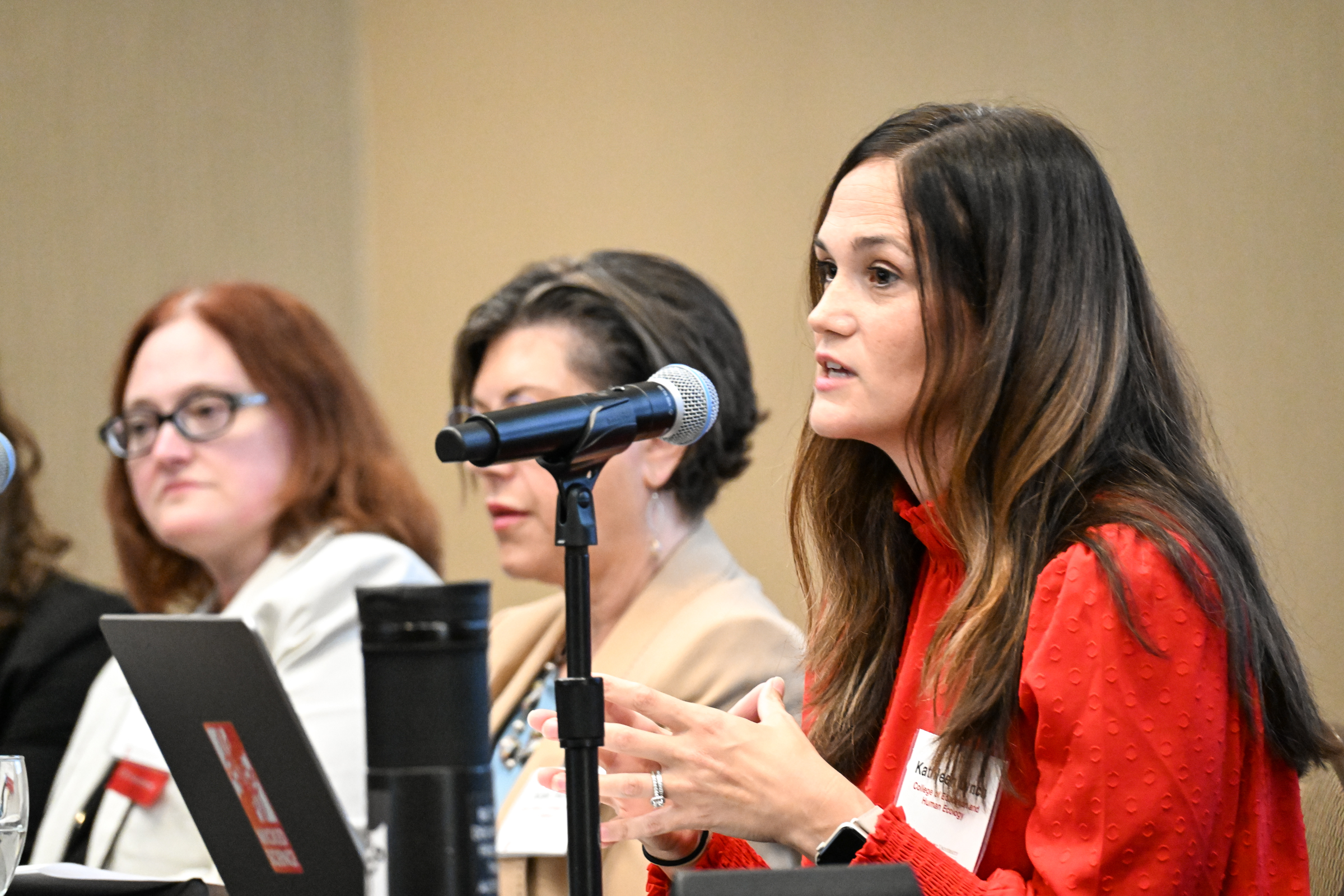
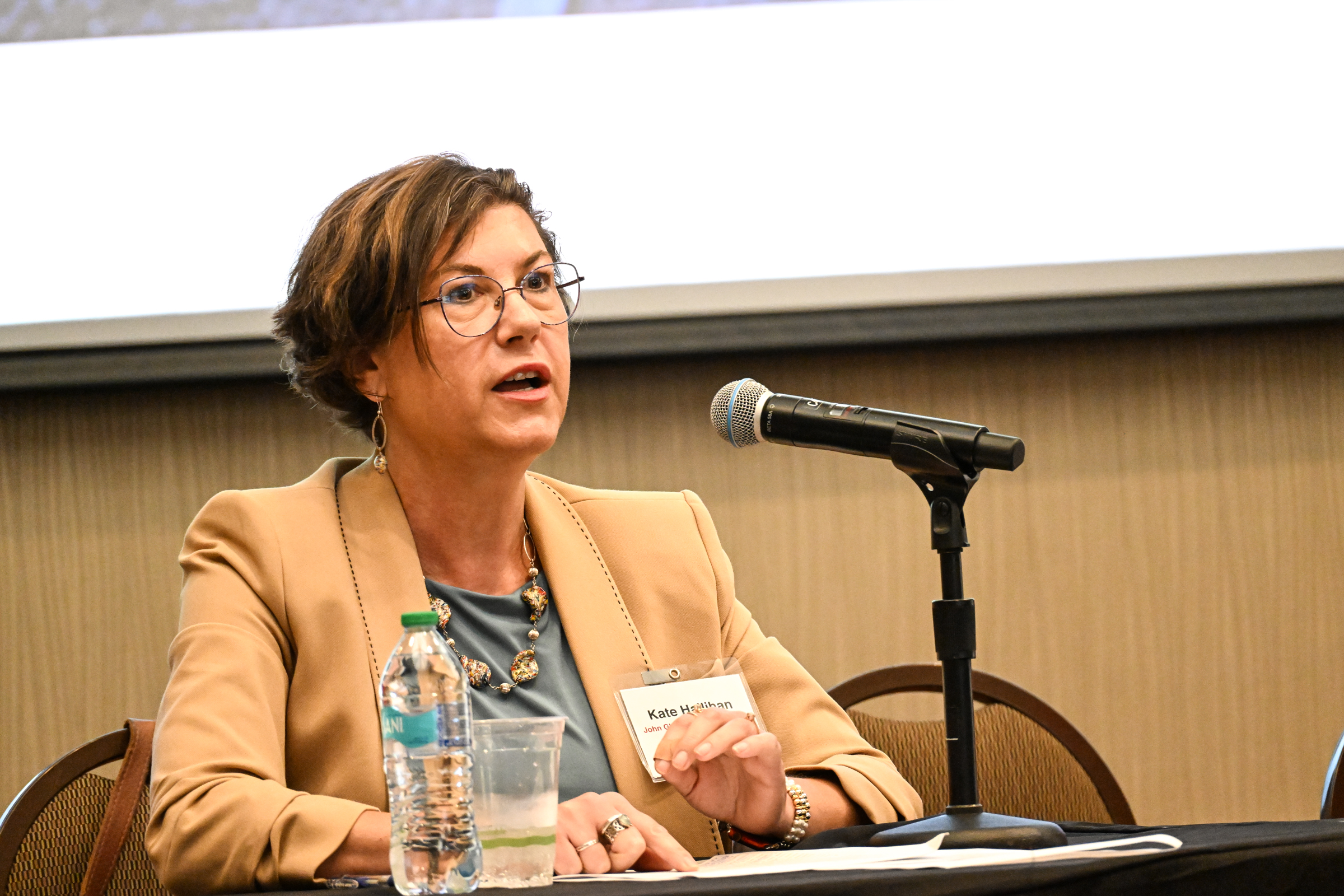
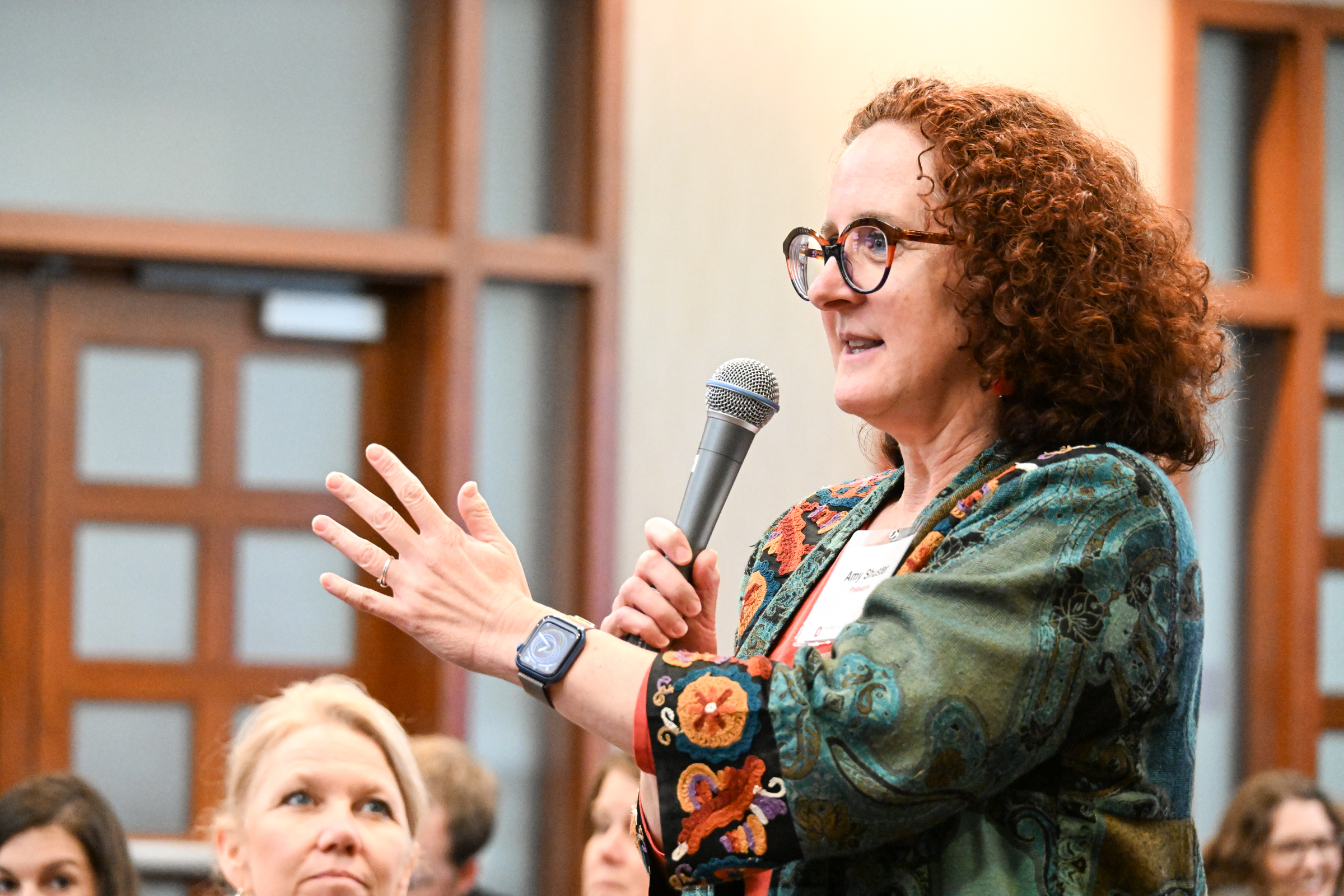
Faculty, staff and assessment professionals from across The Ohio State University gathered Sept. 25 at the Blackwell Inn for the 2026 Assessment Conference, an annual event focused on fostering a culture of assessment and continuous improvement in teaching, learning and student success. The conference featured presentations, discussions and practical strategies designed to help participants strengthen assessment practices across academic and co-curricular programs.
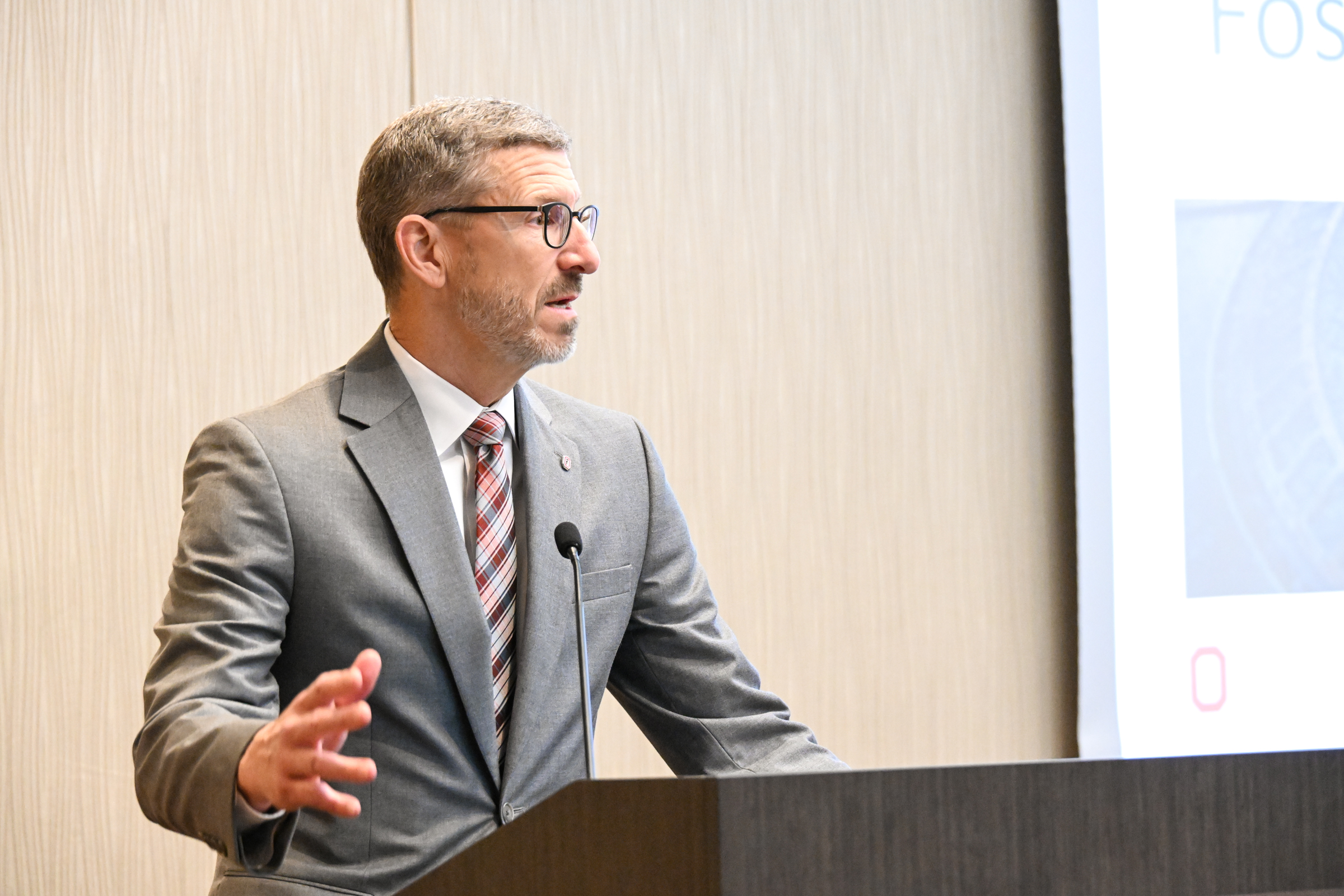
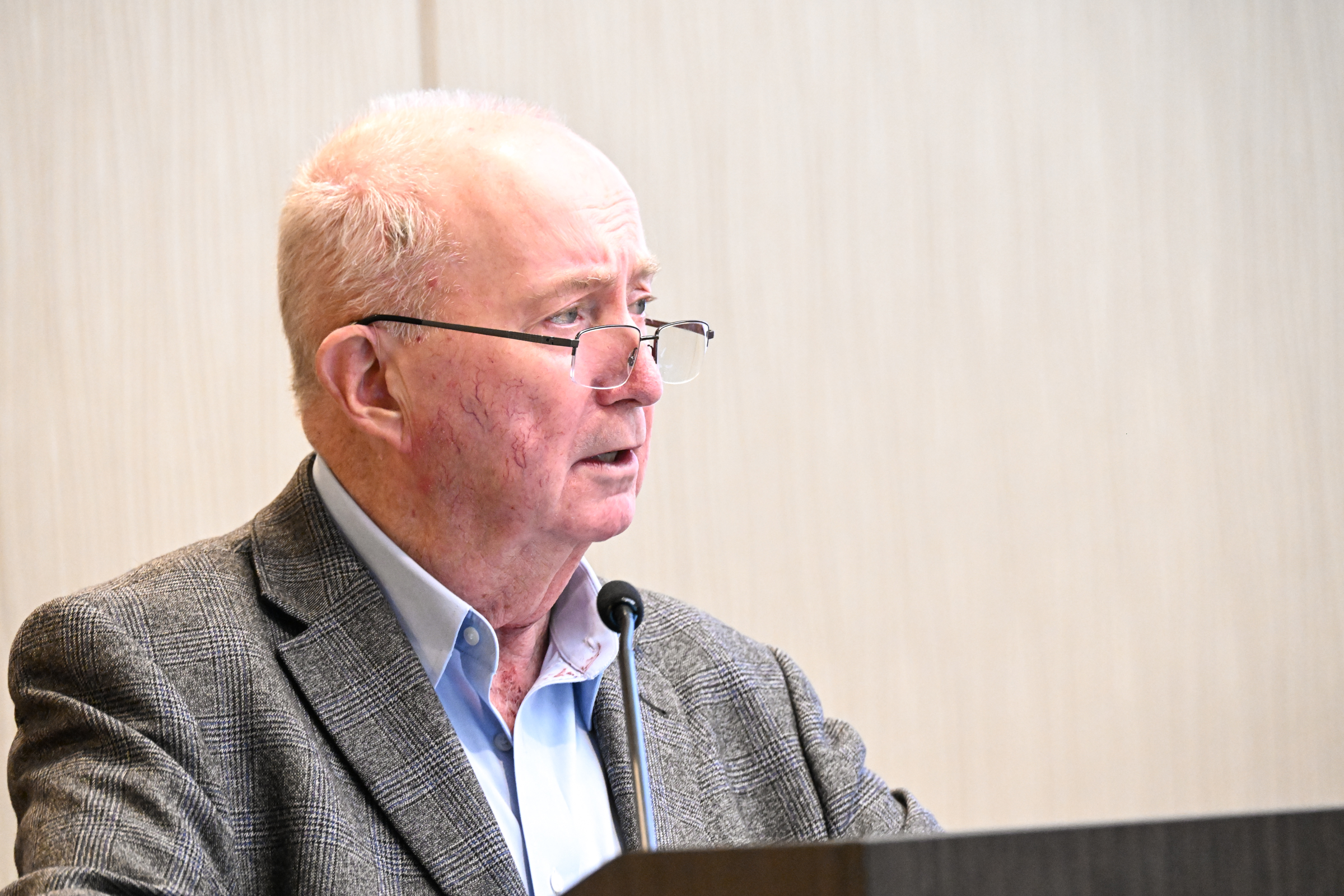
The conference opened with encouragement from Trevor Brown, executive vice president and provost, who highlighted the work of Vice Provost for Academic Programs W. Randy Smith and his team for the longevity of investment in assessment at Ohio State. With a focus on the importance of continuing to strengthen programmatic and academic offerings, Brown brought the 200-plus attendees together with encouragement that continued throughout the day.
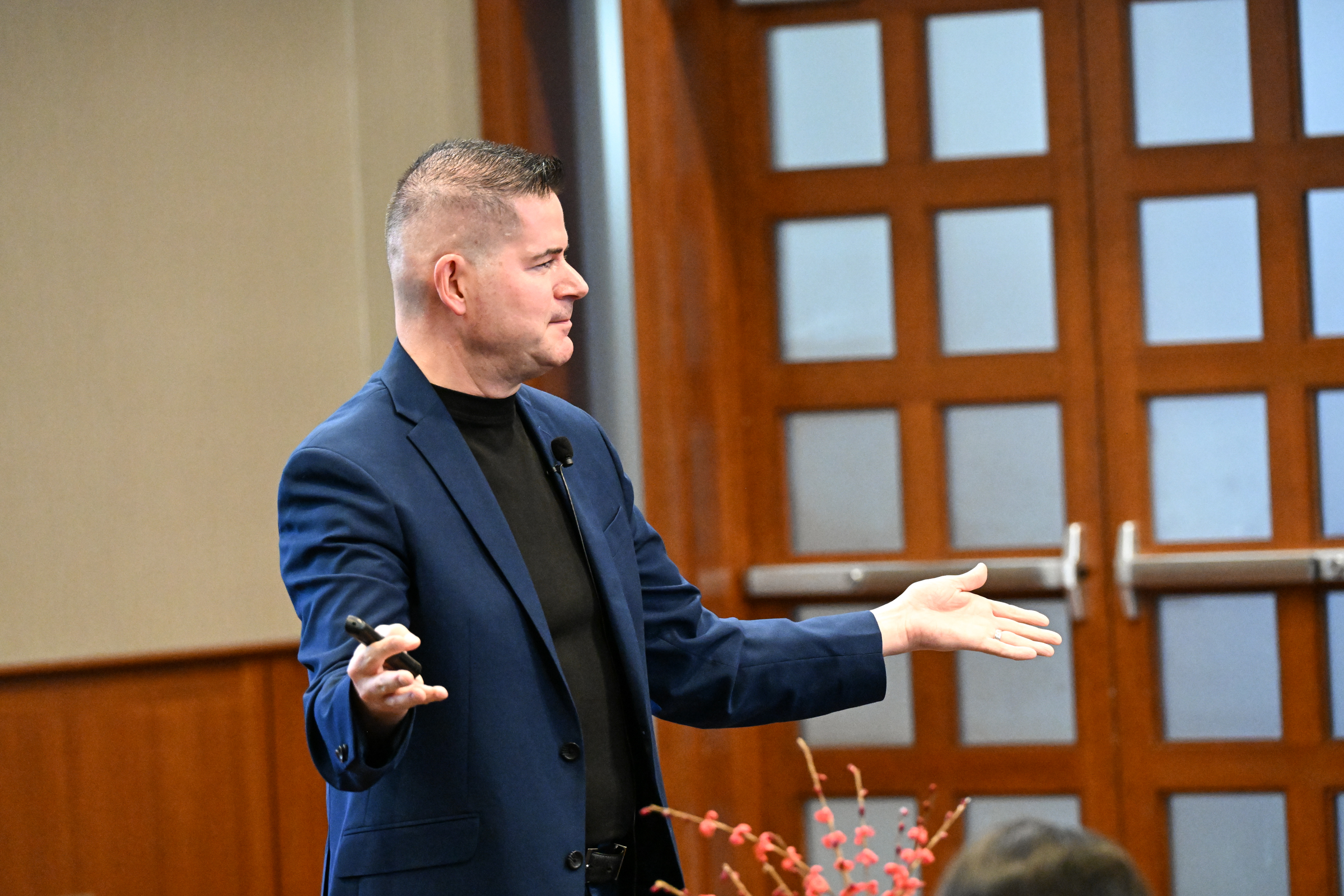
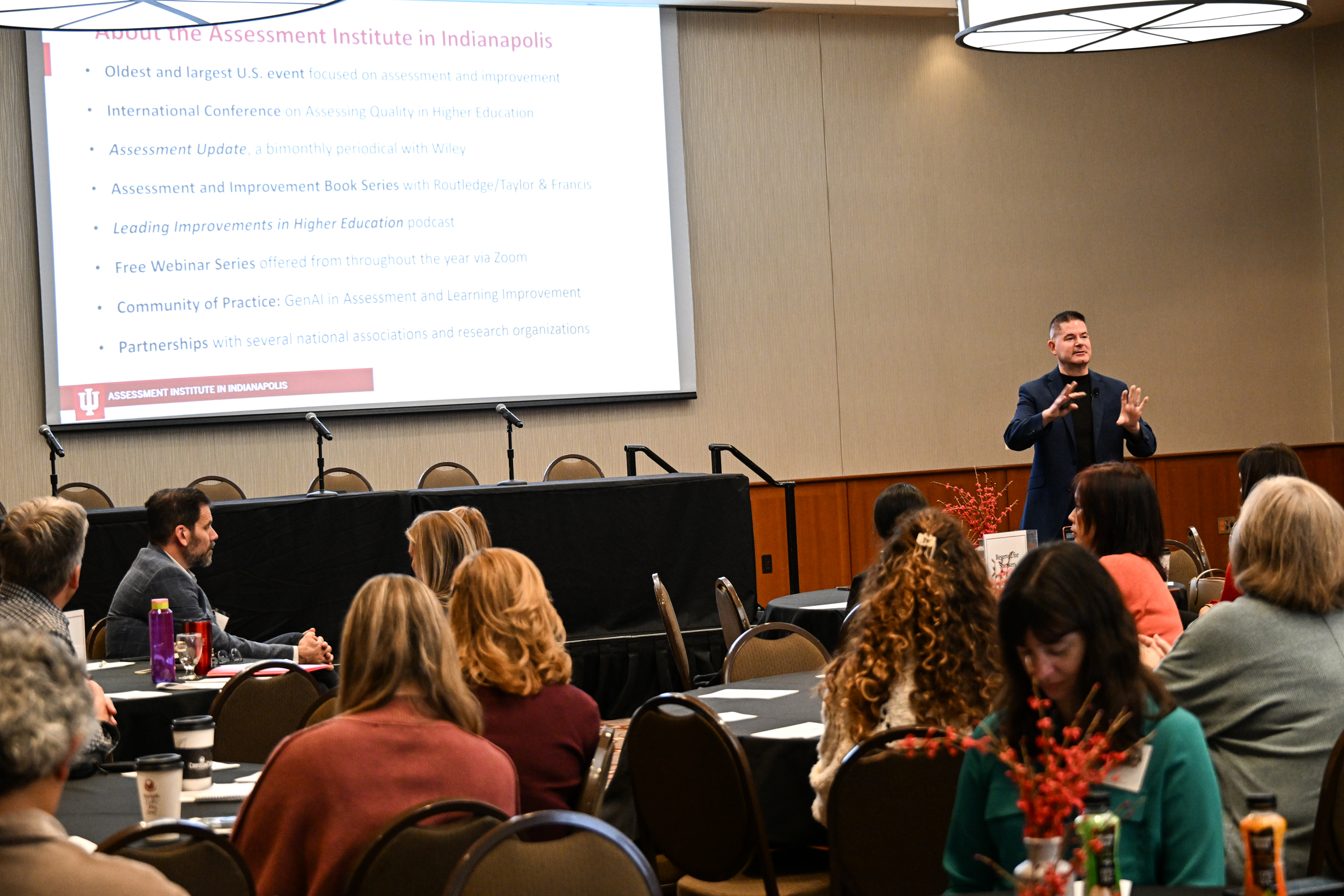
A centerpiece of the conference was the opening plenary presentation by Stephen Hundley, founding executive director of the Center for Leading Improvements in Higher Education and professor of organizational leadership at Indiana University Indianapolis. Hundley, a nationally recognized leader in higher education assessment and chair of the Assessment Institute in Indianapolis, shared insights on the enduring principles and emerging opportunities shaping assessment and improvement efforts across colleges and universities.
During his keynote, Hundley emphasized three guiding concepts for higher education assessment: relevance, evidence and perseverance. He encouraged participants to ensure assessment activities remain connected to institutional priorities and student success goals, grounded in credible evidence and sustained through long-term commitment to improvement. The presentation explored how institutions can use assessment not only to measure outcomes but also to inform strategic decision making, strengthen learning experiences and promote continuous improvement across programs and services.
Hundley also highlighted the importance of planning for learning, implementing evidence-informed interventions, evaluating outcomes and fostering distributed leadership. His session challenged attendees to reflect on current assessment strategies while considering new opportunities created by evolving technologies, changing student needs and emerging trends in higher education.
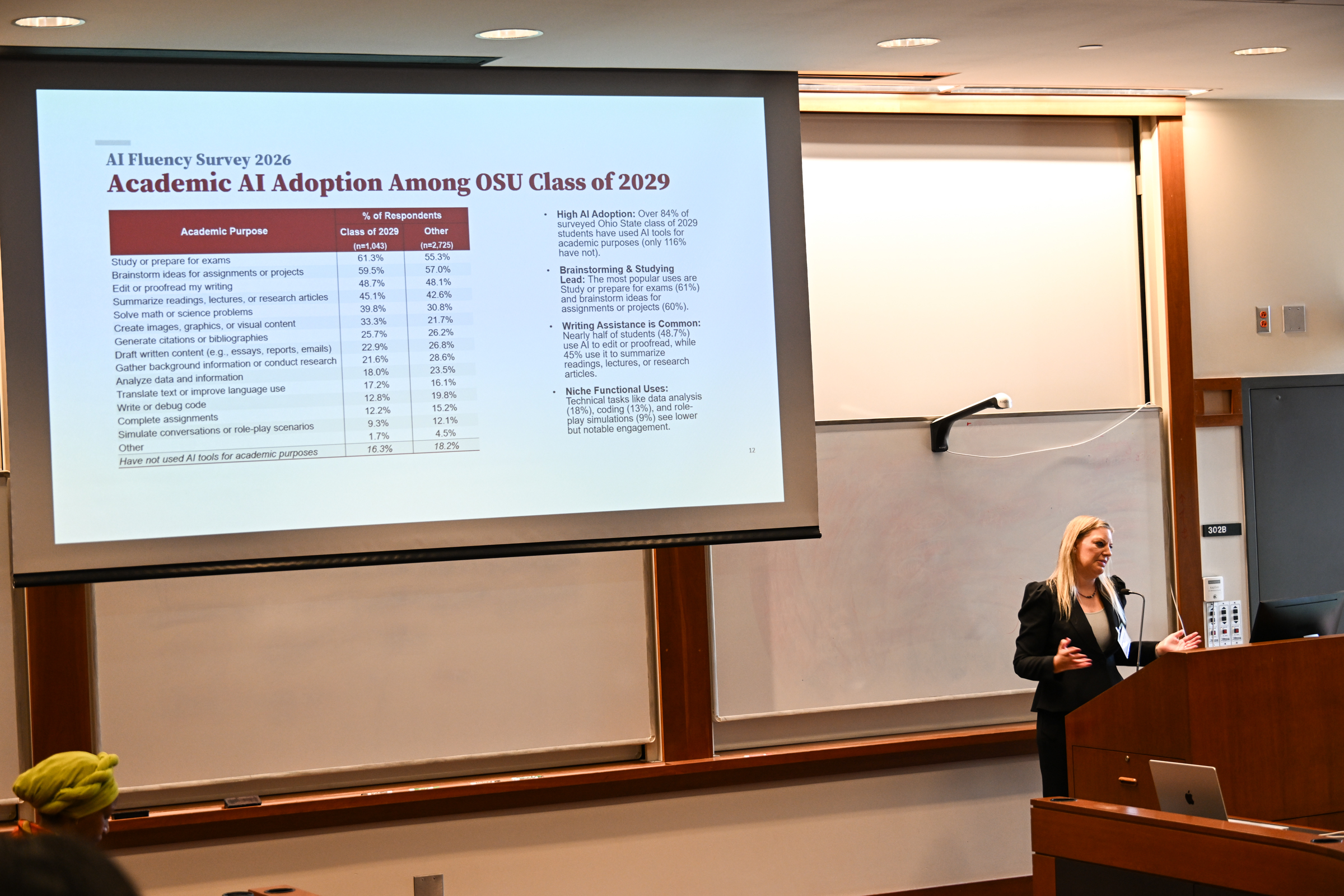
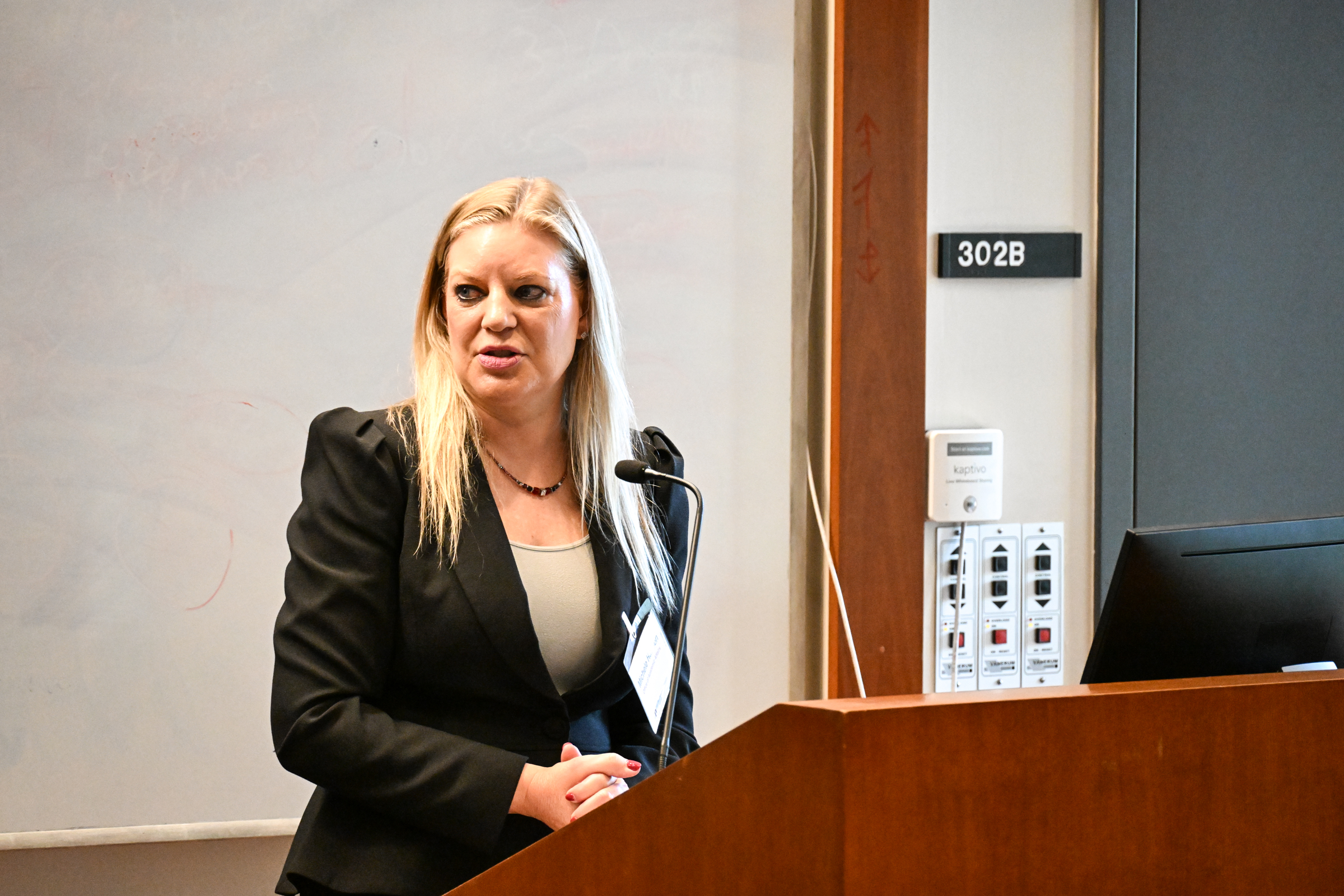
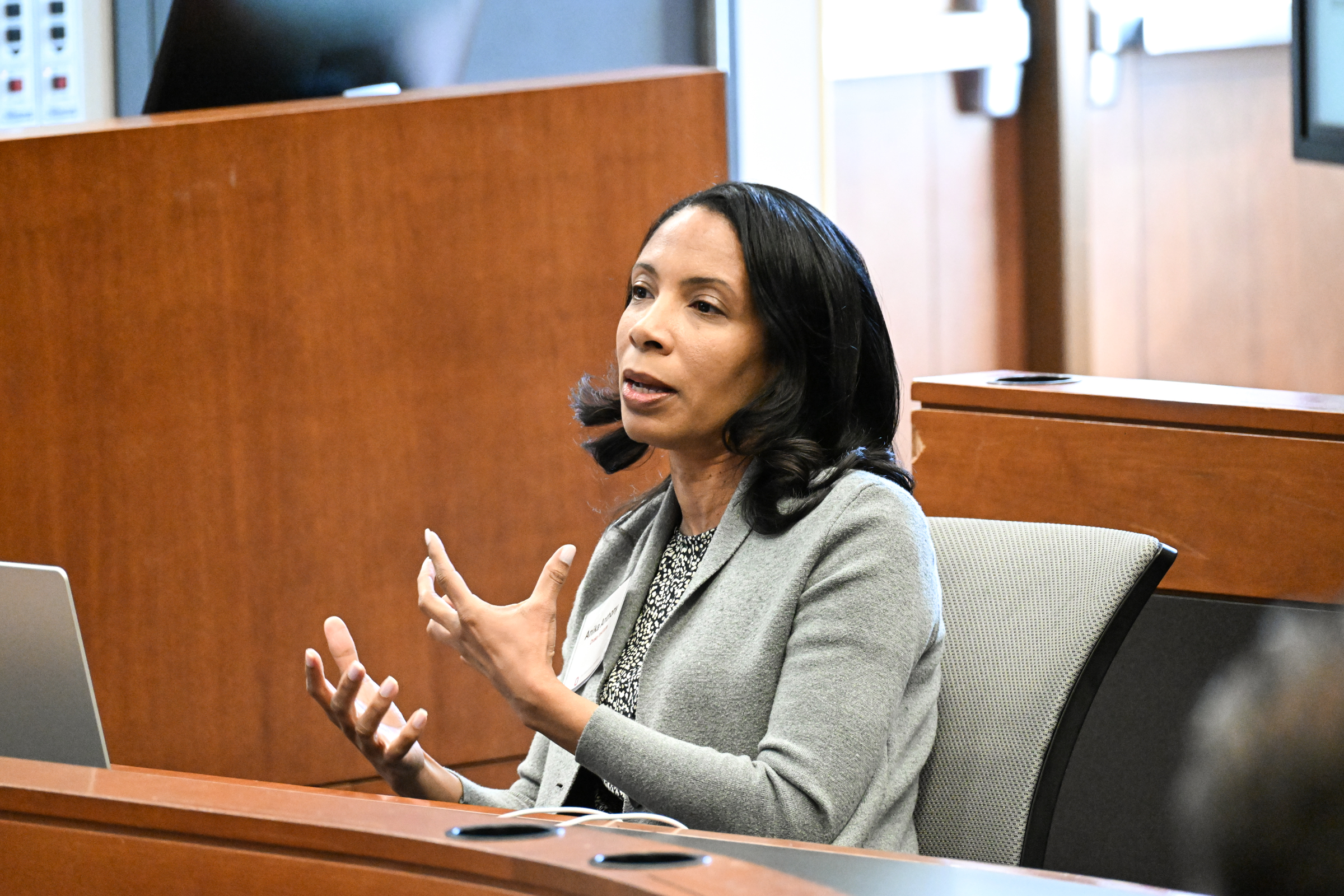
The conference program included a variety of concurrent sessions showcasing assessment practices from across the university. Among them was “Understanding the AI Student Experience: Mixed-Methods Study 2026,” presented by Michele Hansen, associate vice president for Institutional Research and Planning, with support from Anika Anthony, associate vice provost and director of the Michael V. Drake Institute for Teaching and Learning. The session examined findings from recent student research focused on artificial intelligence fluency and student engagement with AI tools.
Hansen and Anthony shared results from a mixed-methods study designed to better understand how students are adopting and using generative AI technologies in their academic work. The presentation explored student perceptions, experiences and emerging trends related to AI fluency, offering attendees data-informed insights into how rapidly changing technologies are influencing teaching, learning and assessment practices. The session also highlighted opportunities for institutions to better support students as they navigate the responsible and effective use of AI in educational settings.
Throughout the day, conference sessions reinforced a common theme: Effective assessment is essential for enhancing student learning, improving institutional effectiveness and supporting evidence-based decision making. Participants engaged with practical frameworks, shared experiences and emerging research while exploring strategies to strengthen assessment efforts across the university.
The 2026 Assessment Conference reflected Ohio State’s ongoing commitment to using meaningful evidence to improve student outcomes and academic excellence. From Hundley’s call for relevance, evidence and perseverance to discussions about the evolving role of artificial intelligence in higher education, the conference provided attendees with actionable ideas and renewed focus for advancing assessment. Celebrating over a decade of excellence spearheaded by Vice Provost Smith and partners across the university, the Assessment Conference continues to strives for relevance, evidence and perseverance that strengthens academic practices at Ohio State.